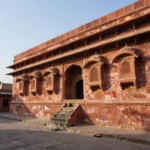






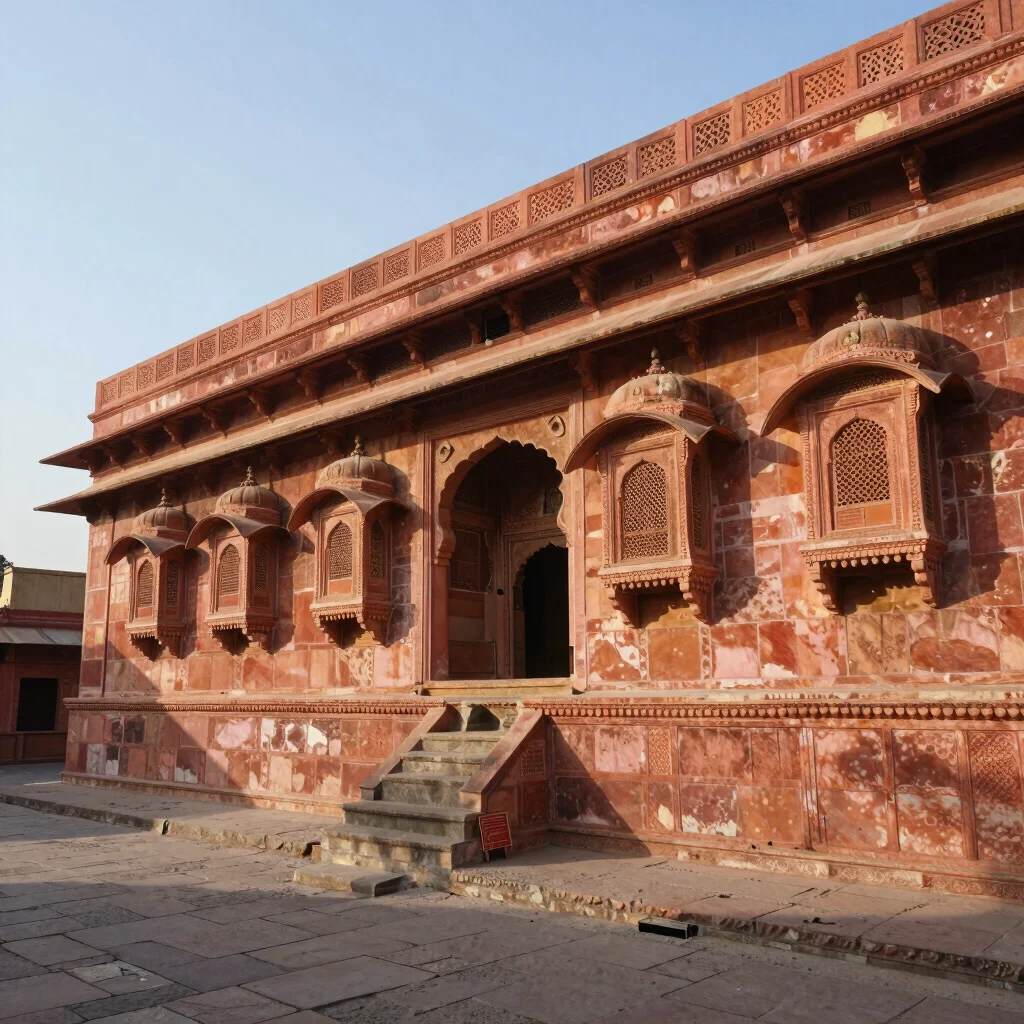
Walking through the narrow lanes of Shri Dungargarh reveals a living museum of classic Rajasthani craftsmanship. The town historic havelis feature weathered terracotta hues, delicate jali lattice screens, and grand archways built by traditional artisans. For residents and visitors alike, these structures offer a tangible link to the region rich trade history and architectural ingenuity.
Intricate Stone Carvings of Main Bazaar
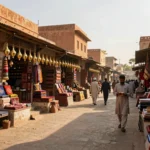
Along the historic bazaar corridors, stone masons carved detailed floral patterns and traditional motifs directly into local pink-hued sandstone. These intricate facades served both aesthetic and practical purposes, providing shade and ventilation during harsh summer months. Observing the craftsmanship up close offers insight into the techniques handed down across generations of desert builders.
Courtyards Built for Desert Summers
Behind the imposing timber doorways lie central open-air courtyards designed to capture cool evening breezes and shelter families from noon heat. These private inner spaces hosted daily domestic routines, community gatherings, and seasonal celebrations. Today, several well-preserved courtyards still welcome travelers seeking quiet reflection away from the market bustle.
Preserving Heritage for Future Generations
Documenting these heritage structures ensures that modern municipal growth respects the town historical aesthetic. Local civic initiatives and heritage enthusiasts continue working together to restore damaged stonework and maintain public walkways around key landmarks. Taking time to appreciate these architectural details helps keep our cultural identity vibrant.


